





An idea, born a bit by chance, becomes a photographic project, with curious and interesting anthropological implications: a kind of ‘monogamy’ – the one with one’s l car – that some owners carry on for decades, growing old together with the mechanical vehicle, which is thus, little by little, almost assuming a soul.
The search for subjects is done mainly in two ways: the author leaves small messages on every old car he sees around town; he also occasionally stops people driving these veterans. He also tells everyone he knows about the project, asking them to investigate in their families and, in turn, to spread the word among relatives and friends.
Then the meeting takes place, to immortalize the passage of time in this particular symbiosis, actually, between man and car: in the time lapse between ‘yesterday and today,’ in fact, the adventures and memories of an entire existence are interwoven.
Automotive Monogamy – aimed at lovers of photography and the human spirit – collects in these 96 pages and 70 photos the stories of the people behind each car, telling both visually – thanks to his shots collected in Italy, Argentina and the United Kingdom – and through the short texts that accompany them, their singular and often ‘epic’ stories.
Automotive Monogamy is more than just a photography book: it is a portrait of the deep bond some people form with their cars, a connection that lasts for decades and spans generations.
The project was born from the curiosity of Matteo Ferrari, an Italian photographer with over twenty years of experience and collaborations with international publications such as Rolling Stone, Vanity Fair, and Marie Claire.
In addition to commissioned work, Ferrari has developed personal projects and participated in more than 20 exhibitions worldwide. In 2014, he co-founded the independent gallery Gigantic in Milan and created Onde Nostre, a video project about surfing that has been internationally recognized and awarded.
With Automotive Monogamy, Ferrari explores a form of “mechanical monogamy,” documenting people who have chosen to remain loyal to their vehicles, aging alongside them and, page by page, giving them almost a soul. Each photograph becomes a small narrative of lived experiences, shared adventures, and the passage of time, revealing the intimate connection between human and machine.
Ultimately, Automotive Monogamy also functions as a kind of anthropological study: it is not just about cars, but about the relationship between people and their most cherished objects, a silent dialogue woven from memories, affection, and mechanical devotion.
Potrebbero piacerti anche
-
How Many Women Are in the Room?
33,00€ + nel carrello
-
Building Bridges
23,00€ + nel carrello
-
Melodramma
24,00€ + nel carrello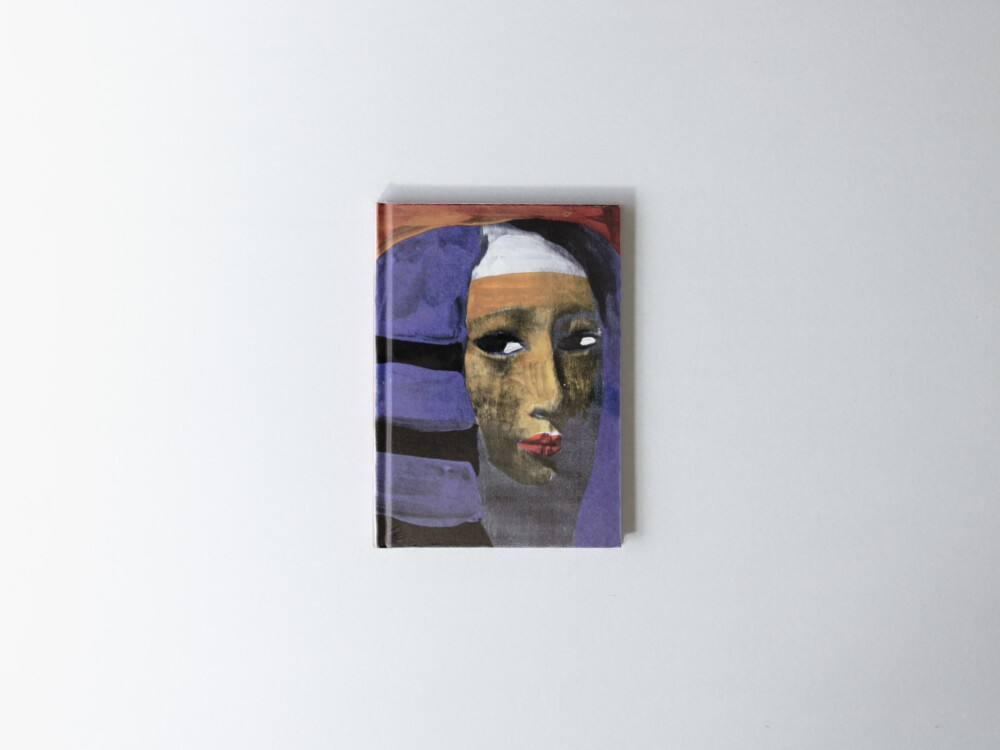
-
Now More Than Ever. Typographic Posters On Kindness From...
29,00€ + nel carrello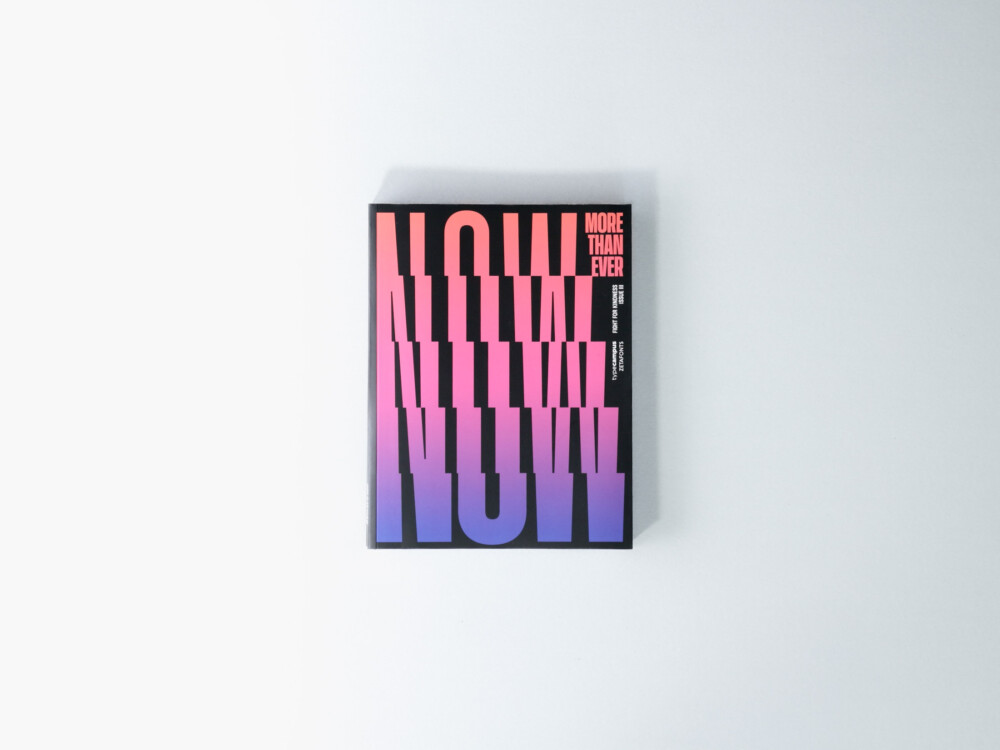
-
Il Disegno del Carattere. 1460-2014
29,50€ + nel carrello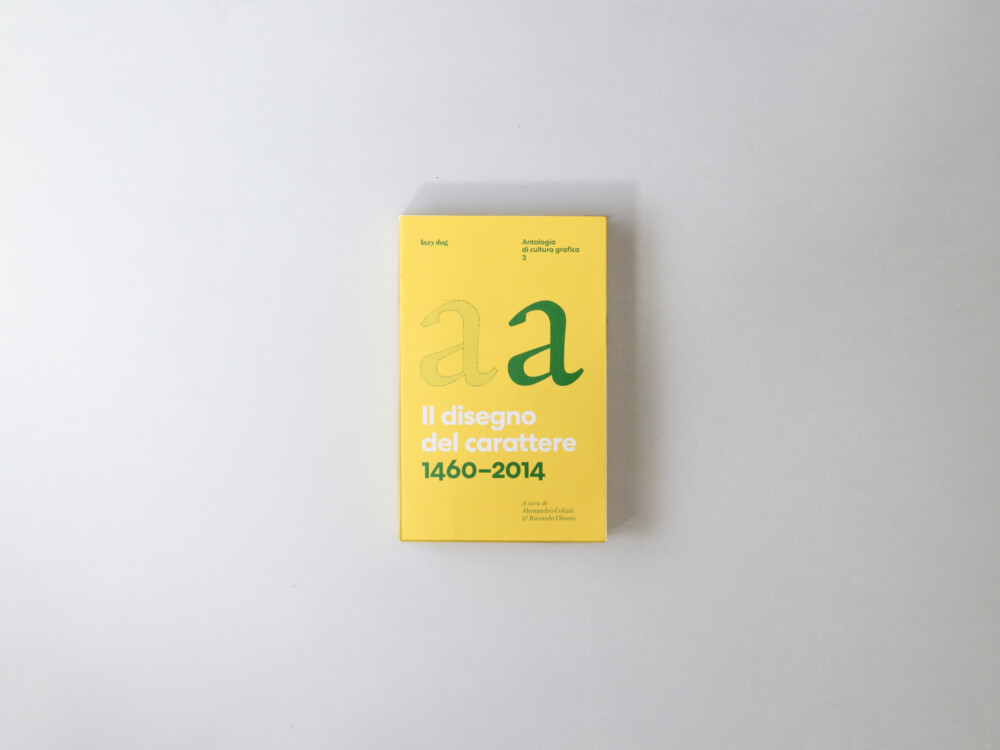
-
Invisible
58,00€ + nel carrello
-
The Jenson Roman
36,00€ + nel carrello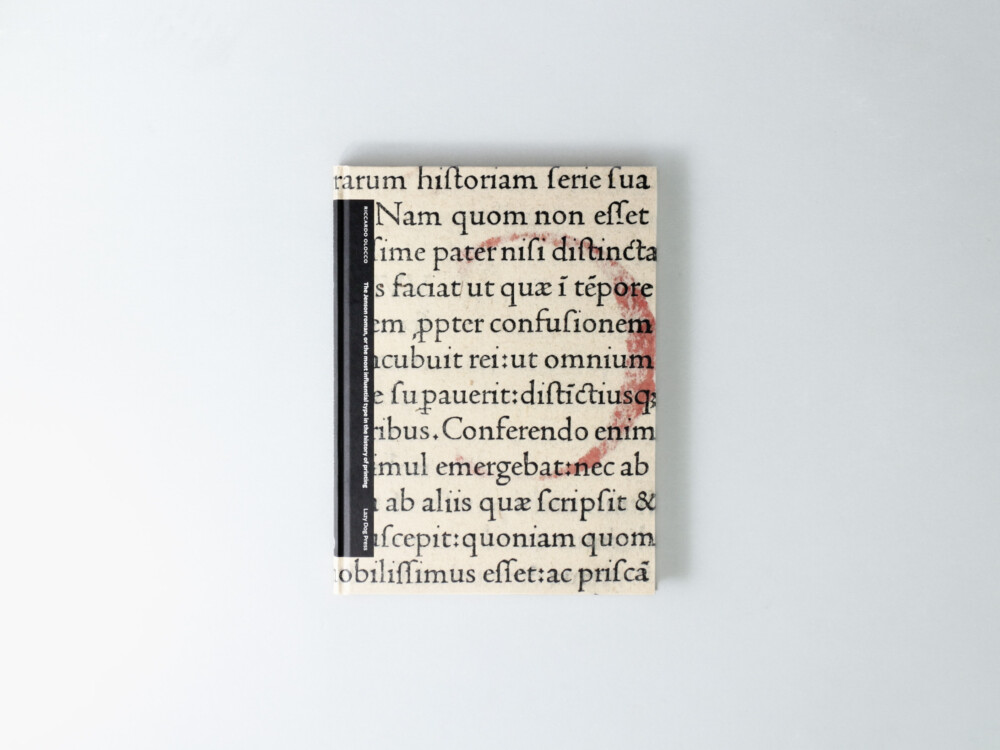
-
Fuochi d'Artificio
19,50€ + nel carrello
-
Una Storia Lunga Come
19,00€ + nel carrello
-
Limousine
32,00€ + nel carrello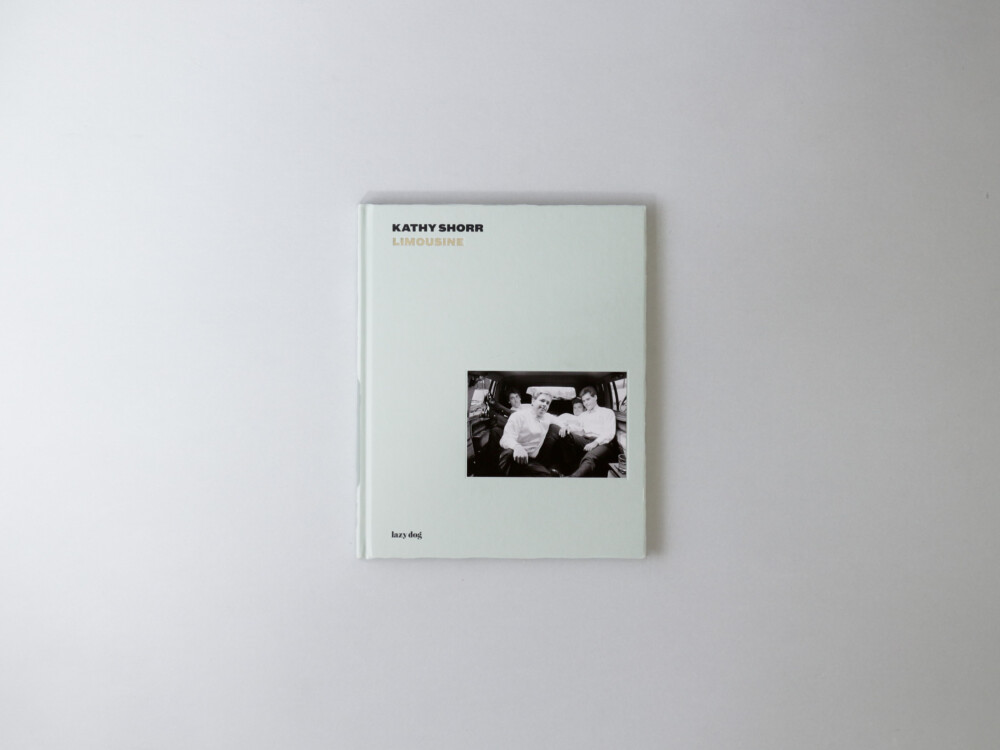
-
Civiltà dello Sguardo
24,50€ + nel carrello
-
Do the Write Thing
49,00€ + nel carrello